Main Content

Moving To Guam

PCS Information

Phone Numbers

Andersen AFB

Base Operator (DSN)
Housing Office

Coast Guard

Command Center
Personnel Center
CGC Assateague
CGC Sequoia
CGC Washington

Naval Forces Marianas

Household Goods
POV (All Services)
NCTMS Command Duty Officer
NCTMS Petty Officer of the Watch
Housing Office

U.S. Navy Hospital Guam

Navy Hospital Quarterdeck

Education

DoD Schools

In 1998 the U.S. Department of Defense opened schools for children of American military personnel with an attendance of 2,500 students in 2000.

Children of active-duty military members, and federal employees hired from the U.S. can be enrolled in either DoD Domestic Dependent Elementary and Secondary Schools (DDESS), Guam public schools, private schools or even choose to be home schooled. If children are enrolled in schools other than DDESS Guam Schools, then parents will be responsible for paying attendance costs.

Bus Transportation Zones: [Click to View]

Andersen Elementary School

Andersen AFB

Phone: +1 (671).366.1511

Visit: [Andersen Elementary Link]

Andersen Middle School

Phone: +1 (671).366.5973

Visit: [Andersen Middle School Link]

Commander William C. McCool Elementary/Middle School

FPO AP 96540-1054

Phone: +1 (671).339.8676/8/9

Visit: [Commander William C. McCool Link]

Guam High School

Phone: +1 (671).344.7410/11

Visit: [Guam High School Link]

Public & Private Schooling in Guam

Private Schools in Guam Guam has approximately 25 private schools, many of which are affiliated with religious institutions. Others offer independent or international curriculums. Each operates with its own admissions process and tuition rates.

Types of Private Schools:

  • Catholic and Christian schools
  • Independent and international schools
  • Montessori and early education centers
  • Language-based and specialty programs

For public and private school enrollment, parents can register their children directly at the chosen school upon arrival in Guam. It’s recommended to bring academic records such as report cards, test scores, or Individualized Education Programs (IEPs), if applicable, to help with proper grade placement.

Required documents generally include the child’s birth certificate or passport, Social Security card, and a parent’s photo ID.

Immunization records must show exact vaccine dates, and a TB skin test is required – within 1 year if arriving from the U.S. or territories, or within 6 months if from overseas. If the result is positive, clearance from the Department of Public Health in Mangilao is required.

A physical exam completed within 1 year before or after school entry is also necessary. An exam report or appointment card is acceptable, but overseas screening forms are not.

Because requirements can vary between schools, it’s always best to contact the school directly for the most accurate and up-to-date information before registering.

Guam Public School System (GDOE)

The Guam Department of Education (GDOE) serves over 31,000 students across Kindergarten through 12th grade. Public School Breakdown: 25 Elementary Schools 7 Middle Schools 4 High Schools 1 Alternative Education School

Visit: [GDOE Website Link]

Public School Bus Service

For students in public schools, bus schedules are available through individual schools or by calling the Guam Department of Public Works

Phone: +1 (671) 646-3166 / 3208 / 3122

2025-2026 Schedule : Link

GDOE Special Education Division

Students with disabilities are typically integrated with non-disabled peers. Services address a broad spectrum of needs—academic, behavioral, emotional, and physical. Gifted and talented programs are also available. Contact for Public School Special Education:

Child Find Coordinator

P.O. Box DE, Hagåtña, Guam 96932

Phone: +1 (671).475.0546 / 0547

Email: doesped1@ite.net

Home Schooling

Homeschooling in Guam Families may choose to homeschool under Guam law, which requires: At least 3 hours of daily instruction 170 days per calendar year Instruction in core subjects taught in English

Note: The Guam Public School System does not recognize or grant credit for high school courses completed through homeschooling. Homeschoolers are not eligible to participate in DOE-provided services or extracurricular programs.

Guam Home School Association (GHSA)

P.O. Box 6959, Tamuning, Guam 96931

Email: guamhsa(at)gmail(dotted)com

Visit: [GHSA Website Link]

Meetings are held monthly (except June–July) at Tamuning Christian Fellowship.

College and Universities

Guam Community College (GCC)

P.O. Box 23069 GMF

Barrigada, Guam 96921

Phone: +1 (671).735.4422

Website: [GCC Website Link]

A vocational-technical college offering over 50 job-related certificate and degree programs. Also offers GED prep, adult education, ESL, and apprenticeship training.

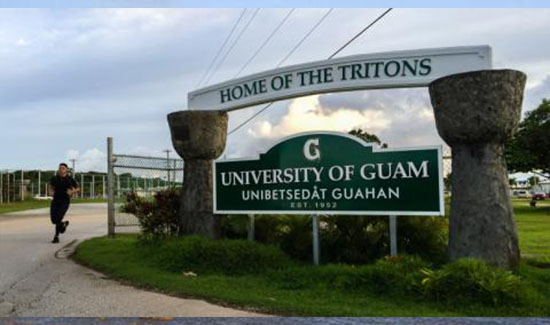
University of Guam (UOG)

UOG Station, Mangilao, Guam 96923

Phone: +1 (671).735.2990

Visit Link: [UOG Website Link]

A regionally accredited university offering 35 undergraduate and 13 graduate degree programs across five colleges, including nursing, education, business, and science.

Pacific Islands University

Phone: +1 (671).734.1812

Email: office(at)pibc(dotted)edu

Offers accredited programs in biblical studies across campuses in Guam, Chuuk, Palau, and Yap.

Pet Ownership & Import Information

Guam enforces strict quarantine regulations to remain rabies-free. The required quarantine period for your pet depends on how many entry requirements are met before arrival. There are two authorized quarantine facilities on island. Since policies may change, it’s best to contact the facilities directly for the most up-to-date information.

Helpful Forms and Checklist

Authorized Quarantine Facilities:

Andersen Pet Lodge
Harper Valley Kennels
Animal Medical Clinic

Firearm Ownership & Registration

If you plan to bring personal firearms with you when moving to Guam, it’s important to understand the island’s registration and licensing requirements. Guam follows many of the same firearm laws as the U.S. mainland, and all firearms must be registered with the Guam Police Department (GPD). Whether you’re purchasing a firearm locally or bringing one from off-island, you must first obtain a Guam Firearms ID card to legally possess or carry it in Guam. This process involves submitting the required identification, completing fingerprinting, and paying applicable fees. Once approved, your Firearms ID will be valid for three years.

Upon arrival, all firearms must be declared on the Customs form provided before landing. Customs officers will inspect and document the make, model, and serial number of each firearm, then provide paperwork that must be used to register with GPD within 30 days. If you will be living on a military installation, firearms must also be registered with Base Security, typically within 72 hours, and may need to be stored in the base armory.

Open carry is permitted in Guam with a valid Firearms ID; however, a separate concealed carry license is required for carrying a concealed firearm. This license has its own application process, which includes proof of certified firearm safety training. Before traveling, review airline and TSA guidelines for transporting firearms and check GPD’s current registration requirements. Preparing ahead will ensure you stay in compliance with local regulations and avoid penalties.

Download Forms:

Shipping a Vehicle

Bringing a vehicle to Guam involves a few important steps and some advance planning. If your vehicle was purchased within 90 days of arriving on island, it will be subject to a 4% use tax— even if this has only recently begun to be strictly enforced.

Before Shipping Your Vehicle:
  • Inspect Your Vehicle: Make sure the tires are in good condition, all lights are working, and there are no windshield cracks. These are common issues that can delay registration, so addressing them beforehand will save you time.
  • Organize Your Documents: Keep the original title, registration, and proof of insurance with you—only leave copies in the vehicle. If the vehicle is financed, inform your lender in advance. Some lenders may require written authorization before allowing the vehicle to be shipped to Guam.
When Your Vehicle Arrives:
  • Check Vehicle Arrival Status: Contact the Navy’s Vehicle Processing Center (POV Pickup) at +1 (671).339.2205. The pickup location is on Naval Base Guam, Bldg. 3179 off Sumay Road.
  • Obtain a Temporary Permit: Visit the Guam Department of Motor Vehicles (DMV) to get a temporary 5-day permit to drive your vehicle. Bring your driver’s license, military ID, shipping paperwork, and original registration.
  • Complete the Safety Inspection: A vehicle safety inspection is required by law for registration.
  • Register Your Vehicle: After passing the inspection, return to DMV to complete registration and receive your Guam license plates.

For more details, visit the Guam Department of Revenue and Taxation website and set up your account with the Motor Vehicle Division.

Note: If you need a second vehicle after relocating, there are often many used cars available for sale from others who are transferring or rotating out.

Overseas Housing Allowance (OHA) in Guam

When stationed in Guam, service members receive an Overseas Housing Allowance (OHA) instead of the Basic Allowance for Housing (BAH) used in the continental U.S. OHA is not a flat-rate benefit – instead, it reimburses your actual rent amount, up to your authorized limit based on rank and dependency status. If your rent is below that limit, you do not receive the difference in cash.

Because OHA is structured as “use it or lose it,” it can influence rental pricing on island, with many landlords pricing near or at the authorized caps. In addition to the rent portion, OHA includes a monthly utility allowance to help offset the cost of electricity, water, and other essential services. This allowance is fixed and not based on your actual utility expenses.

To check your current OHA rates for Guam, including your rent and utility allowance, visit the official OHA Rate Lookup tool provided by the Department of Defense.

Always consult your local housing office for the most up-to-date guidance and entitlements before securing a rental.

Guam Attractions

Moving to Guam - Tumoc

“WHERE AMERICA’S DAY BEGINS”

Hafa Adai! (Hello or Welcome)

Guam is an island territory of the United States, rich with cultural heritage and pride, is located 900 miles north of the equator in the Western Pacific. Guam is four to eight miles wide and 32 miles long and is the largest of the Micronesian islands. Guam’s lush tropical terrain along with urban areas within the island covers 220 square miles and is the southernmost island in the Mariana Island chain. Because of its western location from the International Date Line, Guam is the first to experience the new day in the United States; hence Guam is “Where America’s Day Begins.” Its capital city is Hagåtña (formerly Agana).

Visit Guam…


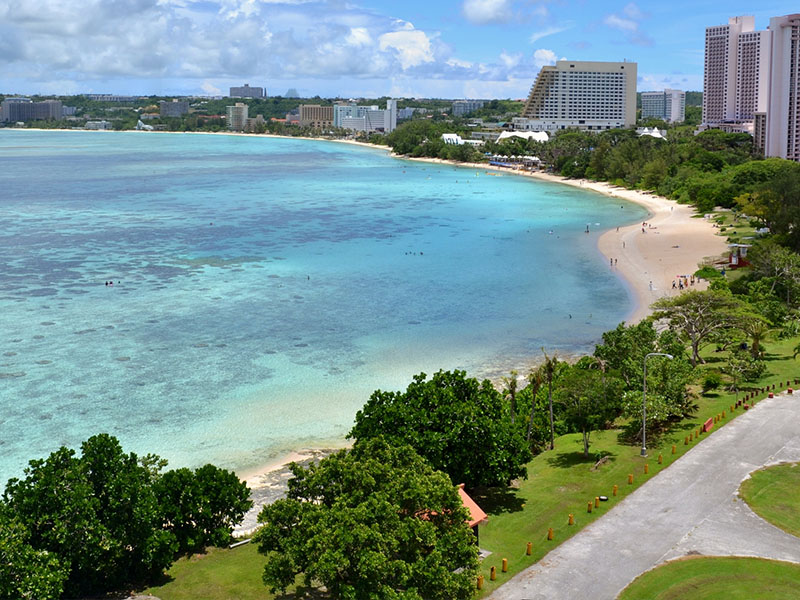
Guam is a unique destination with pristine beaches, warm and hospitable people, and a rich culture and history. Guam is located near the equator, giving us year-round tropical weather conditions, and boasts a plethora of activities to keep our visitors entertained during their stay with us.

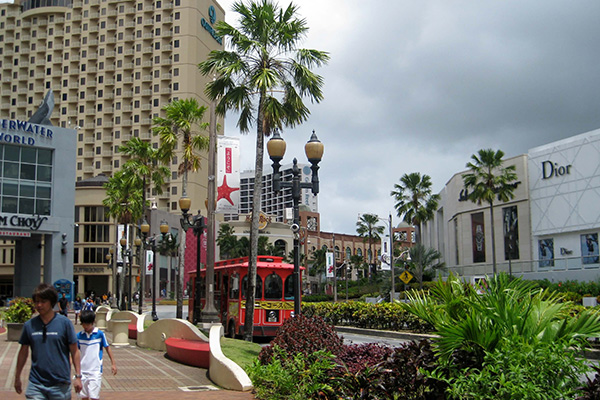
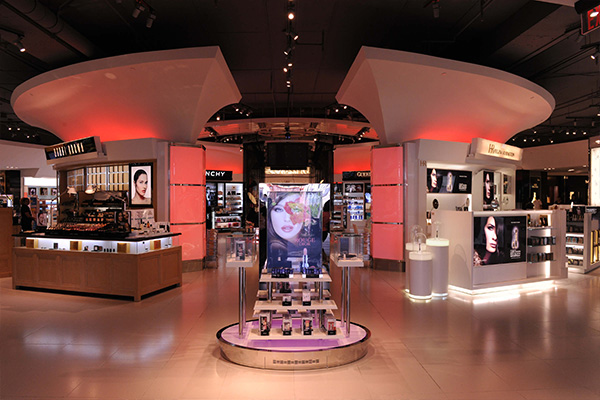
From water activities, like snorkeling, scuba diving, parasailing, and more, to golfing, hiking, shopping at any of our duty-free stores and malls, and dining at a variety of restaurants specializing in local and international cuisines, there is much to do and see on Guam.

Guam is an unincorporated territory of the United States, commonly referred to as America in Asia, and we invite you to come and experience everything our wonderful island and people have to share.

For more information about Guam, visit Guam’s official Tourism website: www.VisitGuam.com

visa-entry-guam

Visa and Entry Formalities

Entry requirements for Guam are identical for any U.S. destination. Although U.S. Citizens are required to possess a U.S. passport, on a case-by-case basis, photo I.D. and proof of citizenship may be accepted. Citizens of most other countries must have a valid passport with a U.S. visa.

Effective November 28, 2009, the Consolidated Natural Resources Act will go into effect and includes a new ruling on the Guam Visa Waiver Program. According to the Federal Register, currently, the determination as to which countries may participate is based on the countries’ geographical proximity to Guam on the premise that they maintain a traditional interchange with Guam. Countries that are not in geographical proximity to Guam may be included if they have a substantial volume of nonimmigrant admissions to Guam and extend reciprocal privileges to citizens of the United States.

Citizens of more than a dozen countries have been allowed entry to Guam without a visa for a period of up to 45 days; travel onward to other U.S. ports is not allowed and the traveler must arrive on a signatory carrier. Countries on the Visa Waiver Program include Australia, Brunei, Hong Kong, Japan, Malaysia, Nauru, New Zealand, Papua New Guinea, Republic of Korea, Singapore, Taiwan and the United Kingdom.

For more detailed information, please visit the United States Department of Homeland Security’s website at
www.dhs.gov/files/programs/gc_1233261948672.shtm.

guam-how-to

How to Get to Guam?

Guam is located in close proximity to many Asian countries including Japan, Korea, Philippines, Hong Kong, China and Taiwan. The average travel time from Guam to key Asian cities is 3.5 to 4.5 hours. Travel time to Hawaii is 7 hours. Air service to Guam is provided by United Airlines, Japan Airlines, China Airlines, Philippine Airlines and Korean Air with most direct flights to many destinations in Asia, the United States and islands in the Pacific.

where-to-guam

Where to Stay in Guam?

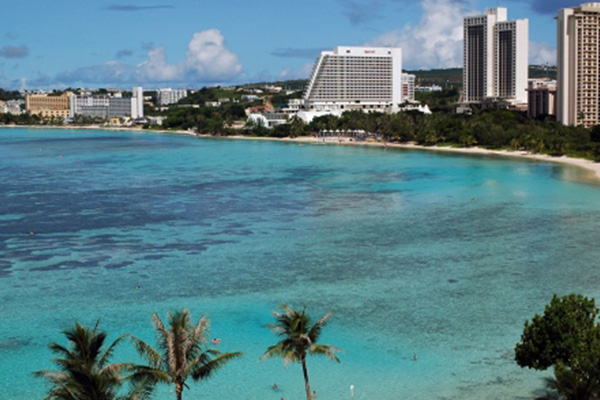
Accommodations in Guam range from affordable motels to high-end luxury resorts. There are smaller, unique boutique-like hotels as well as major hotel chains such as the Hilton, Dusit Thani Resort, RIHGA Royal Laguna Resort, Hyatt, and Westin that are primarily located in Tumon, the island’s main tourist district. The southern areas of Guam also offer serene, country-like accommodations to visitors of Guam.

guam-get-around

How to Get Around in Guam?

While most hotels provide courtesy vehicles for airport transfers or taxi services to and from your desired points of interest, the easiest way to explore the island beyond Tumon’s resort area and its Pleasure Island district is to rent a car or scooter.

Guam is also served by the Guam Regional Transit Authority, which operates fixed bus routes across the island, including services for persons with disabilities. Buses run Monday through Saturday with designated stops in villages and commercial areas.

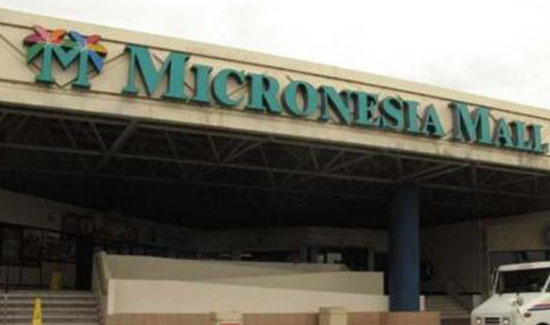
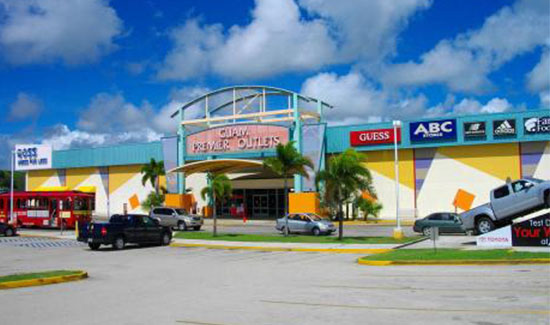
If you prefer an open-air experience, the Red Guahan Shuttle connects Tumon hotels with major shopping destinations such as Guam Premier Outlets and Micronesia Mall. Schedules and pick-up points are posted at participating hotels and shopping centers.

For a convenient, on-demand option, Stroll Guam is Guam’s local ride-hailing service, similar to Uber or Lyft. Simply download the app to book rides anywhere on the island, making it easy to get around without needing a rental or taxi.

Guam offers so many Activities and Adventures…

culture-guam

Cultural Attractions

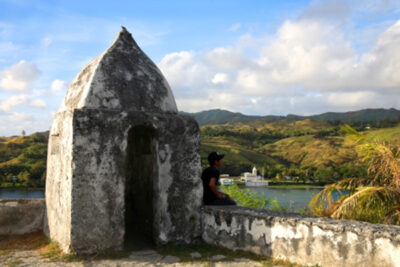
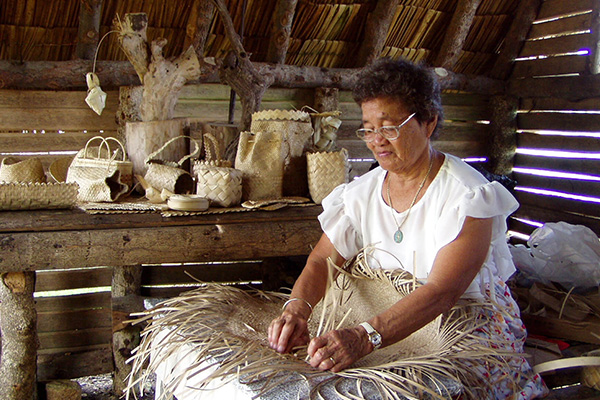
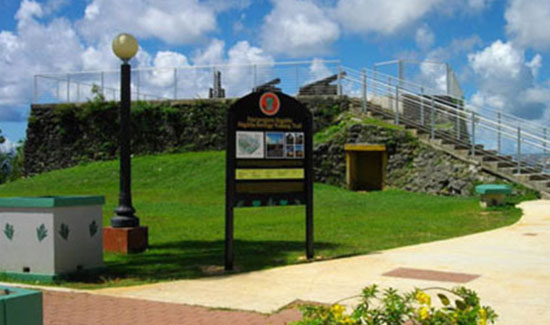
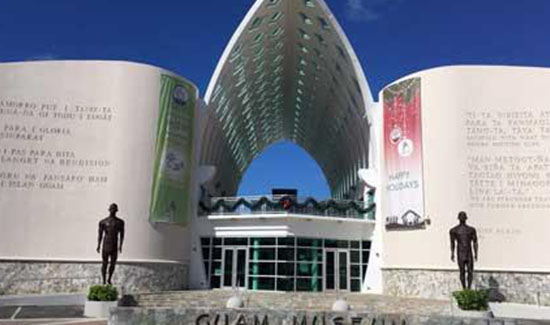
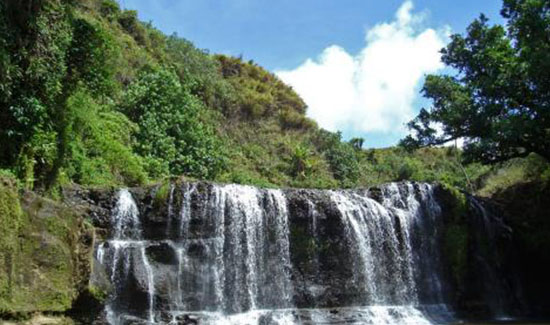
Guam, an island rich in culture and the “Hafa Adai” spirit, is not only a place with great, tropical weather and pristine beaches—it is an island of beauty, history and cultural tradition. Explore the beauty of Guam from the top of Two Lover’s Point in the village of Upper Tumon, Fort Apugan in Agana Heights or the Cetti Bay overlook in southern Guam. Take a hike in the southern area of the island and visit one of thirty-two waterfalls on Guam.

adventure-guam

Adventure Guam

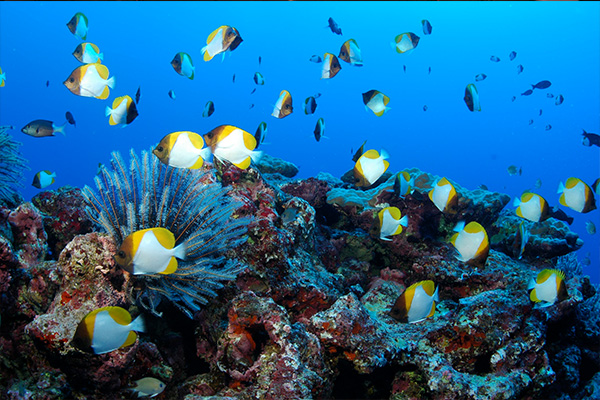
What better way to discover Guam while taking in water and land sports? The island’s ocean is an open playground for water sports enthusiasts who enjoy swimming, windsurfing, kayaking, snorkeling, jet skiing, kiteboarding, parasailing, and diving. The best snorkeling spots for both beginners and experienced snorkelers are on the protected reefs of the Tumon Bay Marine Preserve, the Piti Bomb Holes and in the southern village of Merizo.

additional-attractions-guam

Additional Attractions

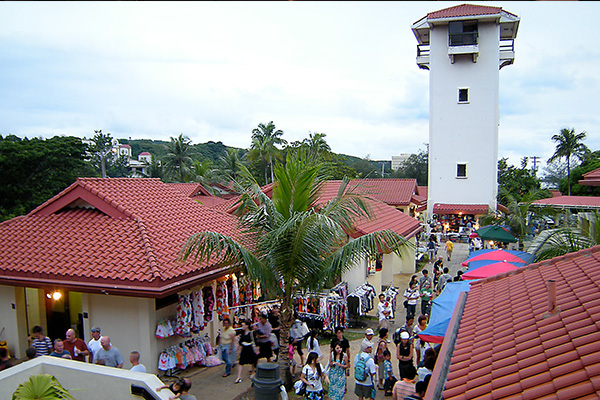
Pamper yourself, island-style at one of Guam’s spas or take a shopping trip browsing through high-end shops at the DFS Galleria, Tumon Sands Plaza and the Plaza at Outrigger. Take the family to the Guam Premier Outlets, Micronesia Mall, Acanta Mall, or Agana Shopping Center to purchase clothing, shoes, accessories, island souvenirs, food, beverages, and toiletries.

guam-logo

Guam

Guam’s Time Zone:

Chamorro Standard Time (UTC+10)

Current Weather at the Capital:

thermometer

Current Population:

173, 715

Capital:

Hagåtña

Official Currency:

U.S. Dollar (US$)

Official Languages:

English and Chamorro

Political Status:

Unincorporated United States Territory

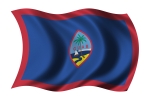
guam-flag

Travel Time / Distances:

8 hours by air, east of Hawaii

4 hours by air, east of Philippines.

3.5 hours by air, southeast of Tokyo, Japan.

4.5 hours by air, southeast of Seoul, Korea.

Interesting Facts

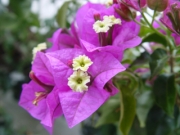
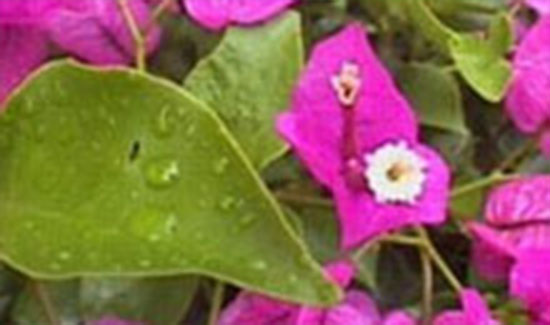
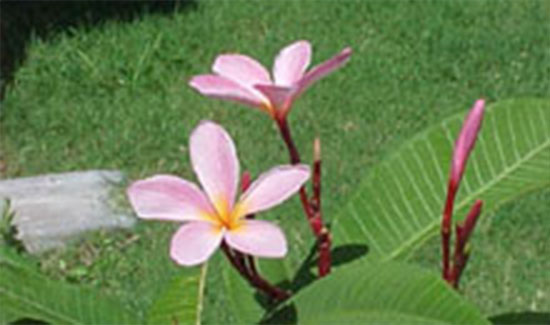
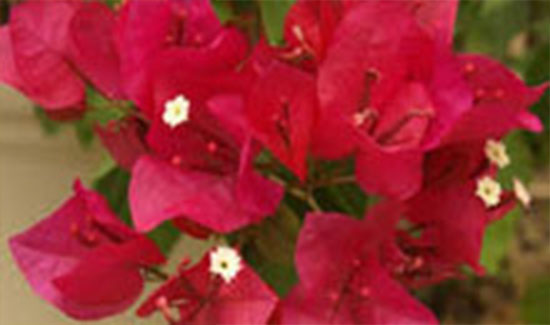
Guam’s official flower is the Bougainvillea.

guam-flower

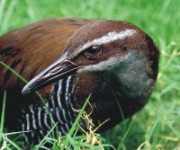
Guam’s official bird is the Guam Rail also known as the Ko’ko’ bird.

guam-rail


Resources

Electricity:

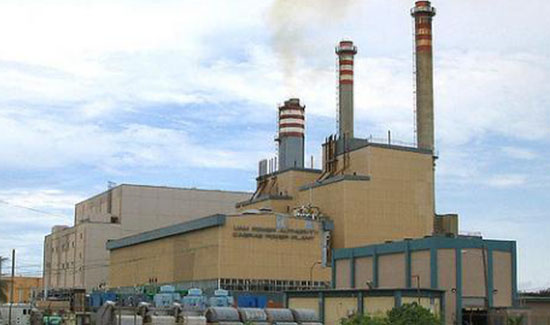
Guam Power Authority

Hagatna location:
Mangilao location:
Application for Electric Service:

Water:

Guam Waterworks Authority

Phone number:
Application for Water Service:

Internet/Cable:

Docomo Pacific

Phone number:

GTA TeleGuam

Phone number:
Website:

IT&E

Phone number:
Website:

Trash/Recycling:

Mr. Rubbishman

Phone number:

Guam Solid Waste Authority

Phone number:
Application:

GSWA Services:
  • Residential Trash
  • Transfer Stations
  • Household Hazardous Waste Facility
  • Bulky and Metallic Waste Collections
  • Recycling
  • Layon Landfill
  • Commercial Disposal Accounts
  • Hauler Transfer Station

Pyramid Recycling Guam

Phone number:

Northern Hardfills/Primos Heavy Equipment

Phone number:

Guam Phone Book


Guam Mayors’ Offices – Telephone Numbers

Agana Heights:
Assan-Maina:
Barrigada:
Malesso’:
Mangilao:
Mongmong-To’to-Maite:
Ordot-Chalan Pago:
Sinajana:
Talo’fo’fo:
Tamuning-Tumon-Harmon:
 

Villages

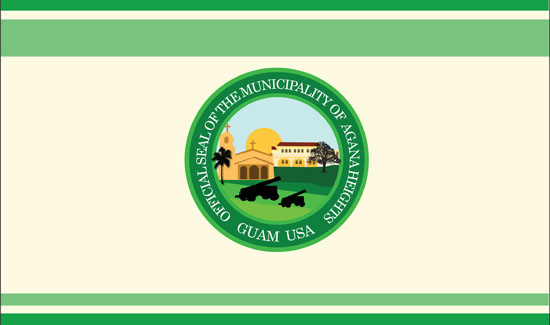
AGANA HEIGHTS

Tutuhan

Agaña Heights is located in the central part of the island. It is part of the Kattan (Eastern) District. The village derives its name from two words “Tutuhon luhan”. “Tutuhon lujan” means someone who becomes scared because of impending doom or is terrified about something. Agaña Heights was a ranchland long ago and those who ranched in this area were villagers from Hagåtña. It was said that there were no trails on Agaña Heights and the only access was for ranchers to climb the steep cliffs along the perimeter of the village. The only way to get to and from Agaña Heights was through the steep cliffs and often ranchers stood at the top of the cliff and surveyed the long climb down and as they did, they would experience a feeling of fear as they contemplated the precariousness of the situation.
More Info

AGAT

Hågat

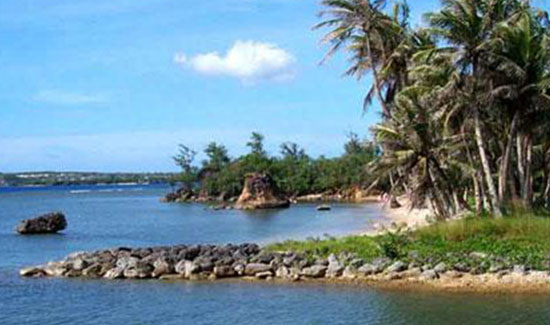
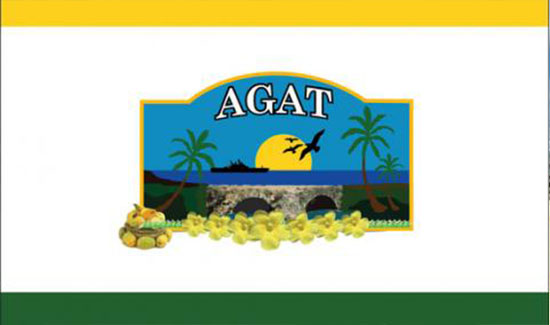
Agat (Hagat) village is located on the southwestern side of the island. This area is part of the Haya (Southern) District. Old Agat was built between 1680 and 1684 and was designed by the ruthless Spanish Governor Don Jose Quiroga as a settlement for rebellious islanders whose homes had been destroyed. Many of its first citizens were brought from the interior village of Fena, which had also been wiped out. In July of 1944, the village of Old Agat was totally destroyed by the American invasion. After the war, new Agat sprang up in a location further south and is one of the villages in the south that is now experiencing development and commerce.
More Info

ASAN-MAINA

Assan-Ma’ina

Asan (Hassan) and Maina are located in the southern-central side of the island. This area is part of the Luchan (Western) District. This village derives its name from the word “hassan”. “Hassan” means scarce or rare. The word “ma’ina” refers to the other village that makes up this district together with Asan. Hunters hunted by the light of a torch and also saw what they caught by the light of the same torch. Another meaning of the word “ma’ina” deals with an infant who between the times of his birth to his baptism, is taken by his mother to a church mass before sunrise; this ritual considered the presentation of the child to the temple or church.
More Info

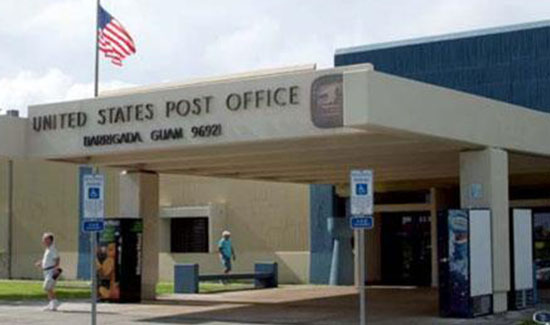
BARRIGADA

Barigåda

The village of Barrigada is located in the northeastern part of the island. It is part of the Kattan (Eastern) District. Barrigada owes its name to a Chamorro legend. When the god Puntan was about to die, he instructed his sister Funa how to dispose of his body. He said that his eyes were to become the sun and the moon; his eyebrows, the rainbow; his breast, the sky and his back, the earth. Barrigada means, “flank.” Looking down from atop Mt. Santa Rosa, the island resembles a man lying on his back with his flank being the most noticeable.
More Info

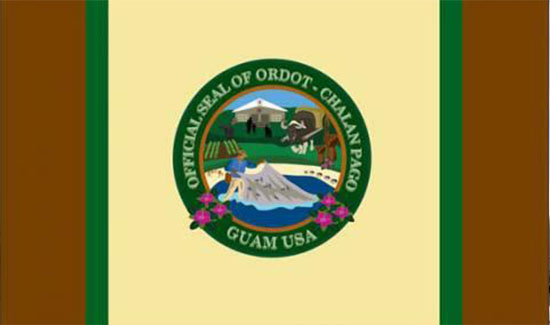
CHALAN PAGO-ORDOT

Chålan Pågu-Otdot

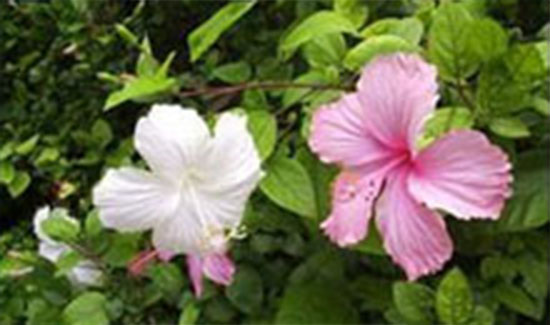
Chalan Pago-Ordot village is located in the eastern-central part of the island. It is part of the Kattan (Eastern) District. The word “chalan” makes up the first part of this village name. “Chalan” means road or street and in olden days, paths or trails. The word “pago” makes up the second part of this village name. “Pago” is the wild hibiscus tree that grows in abundance in this area. “Ordot” means ants. Both ants and hibiscus trees can be found in abundance throughout this beautiful village.
More Info

DEDEDO

Dededu

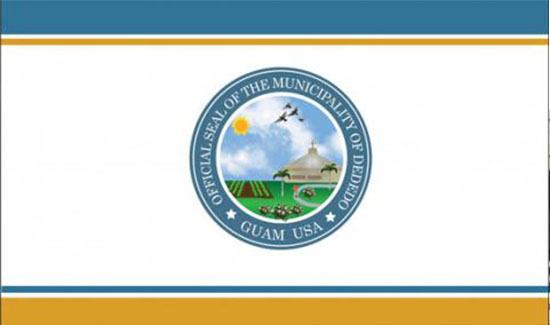
Dededo is located at the north central part of the island where most of the population on Guam presently centers. It encompasses an area of about 30 square miles of Guam’s 212 miles. The word Dededo comes from a system of measurement using the fingers in which each finger signifying an inch. So as one measures “one inch, two inches, three inches” the name Dededo was derived the measurement of two fingers indicating two inches. There is another word that could possibly give this village its name. The word “dedeggo” means a person who walks on tiptoes so as not to wake up those who are sleeping. It is not clear whether Dededo got its name because someone long ago measured the place with his/her fingers or the people habitually walked on tiptoes.
More Info

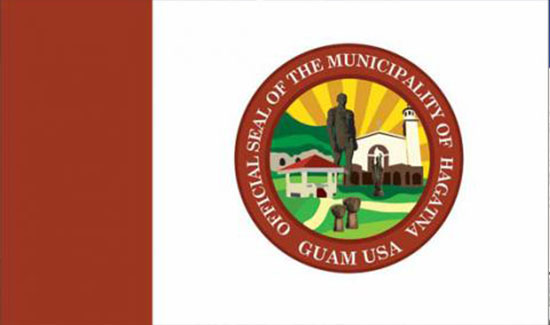
HAGATNA

Hagåtña

Hagåtña is the capital of Guam. It is located in the center of the island and part of the Kattan (Eastern) District. The village derives its name from the word “haga”. “Haga” means blood and that this village came about due to the bloodlines of families and relatives that helped establish this village. Hagåtña became a village when the Spaniards decided that the area be the capital of the island. Hagåtña is where you find places named after the saints, as the city is also the seat of the island’s religion – Catholicism. The three branches of government: Judicial, Legislative, and Executive are located here. Also, it is the center of all commercial activities with legal offices, banks, department/variety stores, insurance, technical and professional services and recreation facilities.
More Info

INARAJAN

Inalåhan

The village of Inarajan is located on the southeastern side of the island and is part of the Haya (Southern) District. This village derives its name from the word Halla. Halla means to pull something or move something with a rope tied to it. Another word that may give meaning to the village name is the word Halla. This word refers to a kind of large woven coconut basket used for storage of fish or vegetables.
More Info

MANGILAO

The village of Mangilao is located in the eastern part of the island and is part of the Kattan (Eastern) District. This village derives its name from the word “ilao”. “Ilao” means to look for something or to search for something. Hunters or fishermen went to this area to fish or to search for crabs, deer or wild pigs. Mangilao is the center of higher education on Guam with both the University of Guam and the Guam Community College. Rapid development in this village has made it quite populated, as it is now the home of many Micronesian islanders who have chosen to migrate to Guam. The island prison facilities for juvenile offenders and convicted criminals are located here as well as the Government of Guam’s Agricultural station and the experimental station for seafood harvesting under the Government’s Commerce Department.
More Info

MERIZO

Malesso’

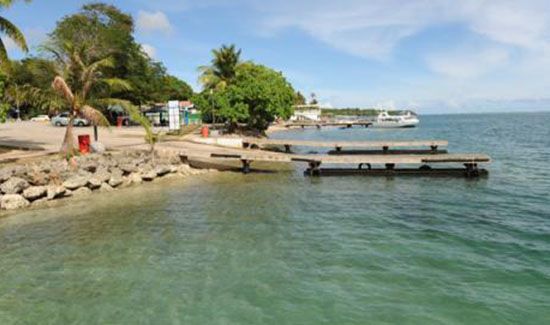
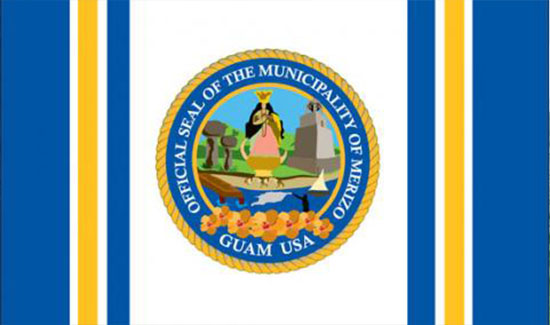
The village of Merizo is located on the southern tip of the island and is part of the Haya (Southern) District. The village derives its name from the word “lesso”. “Lesso” is the next growth size of the juvenile rabbit fish locally known as “manahak” and these were caught at the mouth of the bay of that village. Merizo is the southernmost village where one can ride a boat to a smaller island known today for its recreational and resort facilities – Cocos Island. This small historic village was home of the ancient Chamorros who lived along the shores of the bay and fished for a living in the abundant sea, especially full of “lesso”, which gave the village its name.
More Info

MONGMONG-TOTO-MAITE

Mongmong-To’to-Maite’

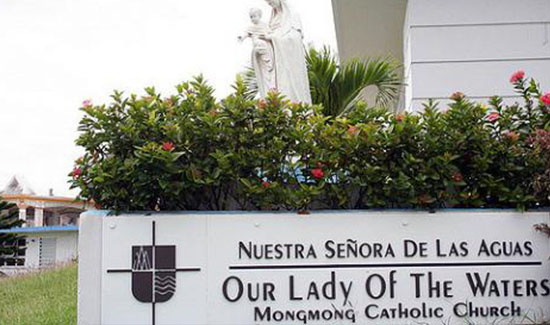
The first of three villages combined into one derives its name from the word “momongmong”. “Momongmong” comes from the sound of a heartbeat but through word evolution came out to “mongmong”. The second village derives its name from the word “to to”. “To to” means to lie or recline on one’s back. The third village derives its name from the word “ma ette”. “Ma ette” means to nudge or touch another person usually accidentally with your hands or with some part of your body.
More Info

PITI

The village of Piti is also known as “The Port City”. This village derives its name from the word “puti”. “Puti” means pain either through a sore, disease, illness or through physical or emotional pain. Piti is approximately two miles in length and width. A number of historical sites are situated within the village.
More Info

SANTA RITA

Sånta Rita

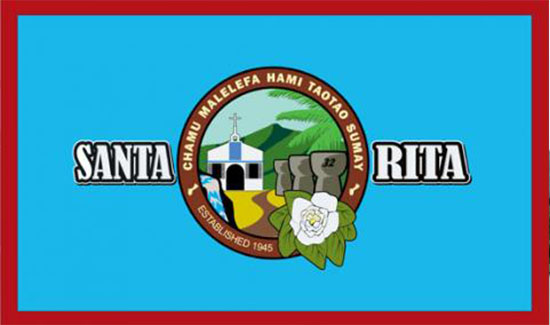
Santa Rita is located on the southwestern side of Guam and is part of the Haya (Southern) District. This village does not have an original name because it was established in 1945 when residents were moved from the destroyed Sumay village. “Santa Rita” is the patron saint of abused wives. It is not clear how the name was decided upon, nor for what reason the name was chosen when the village was established.
More Info

SINAJANA

Sinahånña

The village of Sinajaña is located in the central part of the island and is part of the Kattan (Eastern) District. Sinajaña overlooks the central parks of Guam and sits atop of Hagåtña. The village derives its name from the word “chinahan”. “Chinahan” means the method of baking wild yams in the dirt. The “ña” at the end of the village name “Sinajaña” refers to the people who helped in the baking process.
More Info

TALOFOFO

Talo’fo’fo

The village of Talofofo is located in the south eastern side of the island and is part of the Haya (Southern) District. This village derives its name from the saying “entalo’ I fe’fo”.”Entalo’ I fe’fo” means between the cliffs where this place is situated and surrounded by cliffs. It is possible that another word gave this village its ending name. The word ‘fo’fo”means a bubbling spring. Because the Talo’fo’fo River and the Talo’fo’fo Falls are located in this village, the name could possibly mean between the bubbling springs.
More Info

TAMUNING-TUMON-HARMON

Tamuneng-Tomhom

There are two Carolinian stories that relate to how this village derives its name. First, there was a Carolinian Chief named Tamuning who was brought over from Ulul Atoll in the Caroline Islands. The second came from a Carolinian word “Tamuning” which is the movement of people from Apotuan on to the area where a cotton plantation was run by an individual named George Johnston. Mr. Johnston was an American businessman who married a Spaniard woman and was permitted to grow cotton in what is now Tamuning. The second village drives its name from the saying “ti apmam homhom” which means it is getting dark and refers to hunters and fishermen who walk from southern Guåhan to fish or hunt in this place and by the time they get there it is nearing darkness.
More Info

UMATAC

Humåtak

The village of Umatac is located in the southwestern side of the island and is part of the Haya (Southern) District. This village derives its name from the word “uma”. “Uma” means to carry something on the back or a heavy load on the shoulders. Umatac is the smallest and second oldest of Guam’s villages after Inarajan. This is the village that Ferdinand Magellan is alleged to have visited and it was through his escapades with the villagers that led him to rename Guam, the “Island of Thieves.”
More Info

YIGO

Yigu

This village derives its name from the word “yugu”. “Yugu” means the frame placed over the neck of a carabao and harnessed to a cart. Yigo is the island’s northernmost village. The soil is rich for coffee, cocoa, pineapples, oranges and tangerines, which grew in abundance before the war. This village also produced chocolates, which were then transported to Hagåtña where they were served to visitors in the Chocolate House of the Governor’s palace. Yigo also has many Ifil wood trees, the hard wood used to make the yoke of the carabao and oftentimes the construction of the carabao cart.
More Info

YONA

Yo’ña

The village derives its name from the word “iyo-‘a. Iyo-a” means the possession of something be it material things, personal items, or spiritual ownership. Yona is located on the southeastern side of the island and is situated on a plateau overlooking the Pacific Ocean and is part of the Haya (Southern) District. Yona is well known to islanders because of Menenggon, the infamous concentration camp where the Japanese imprisoned the Chamorros before the American invasion. This village follows the village of Sinajaa where development in the form of Urban Renewal created what is Yona today.
More Info

The information and numbers listed are based on current data and may change over time.
Get In Touch With Get In Touch Logo

    Join

    Our Team

    Want to have a fulfilling career at Coral Sea Real Estate? Fill out the form below.

      Skip to content